Independent gemological laboratory

An impartial record of what the stone actually is.

The International Jewelry Institute grades diamonds, colored stones, pearls and finished jewelry to published standards, with no trading, no valuation and no interest in the outcome. Every examination ends in a numbered report you can check against the stone in front of you.

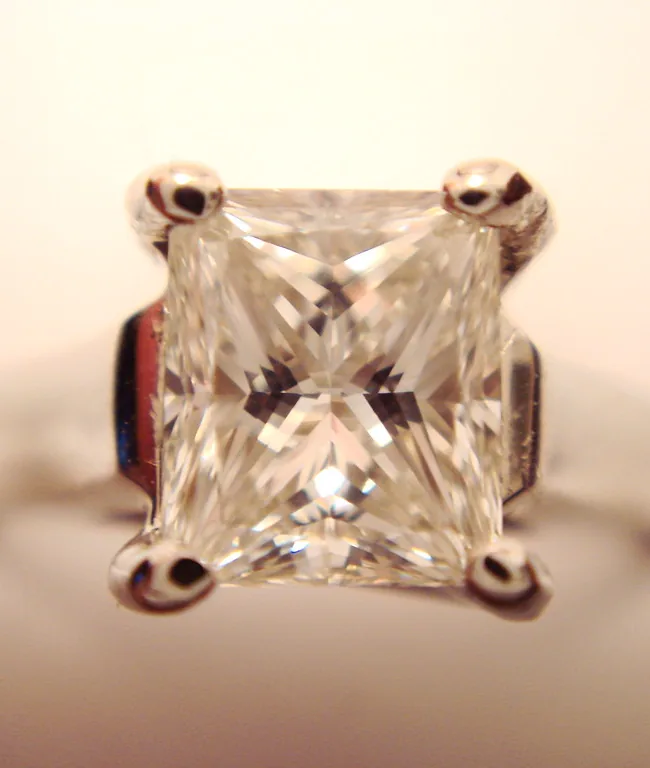
A princess-cut diamond held in four claws, photographed close up.
5
Laboratories, one grading standard
6
Report families
3
Independent opinions per grade
0
Stones bought or sold by the institute
Impartiality

The laboratory has nothing to gain from the grade.

We do not buy, sell, broker or value gemstones. The only thing we produce is an observation, made the same way for a first-time owner and for a hundred-year-old house.

No trading
The institute does not buy, sell or broker gem materials, and takes no commission on any transaction.
No valuation
Reports state facts about a stone. They carry no price, and no fee is tied to the grade returned.
Blind intake
Goods are anonymised at take-in. Graders see a parcel number, never a client name.
Consensus grading
Colour and clarity are set by independent graders working separately. Disagreement sends the stone back for a fourth opinion.

What we examine

All services
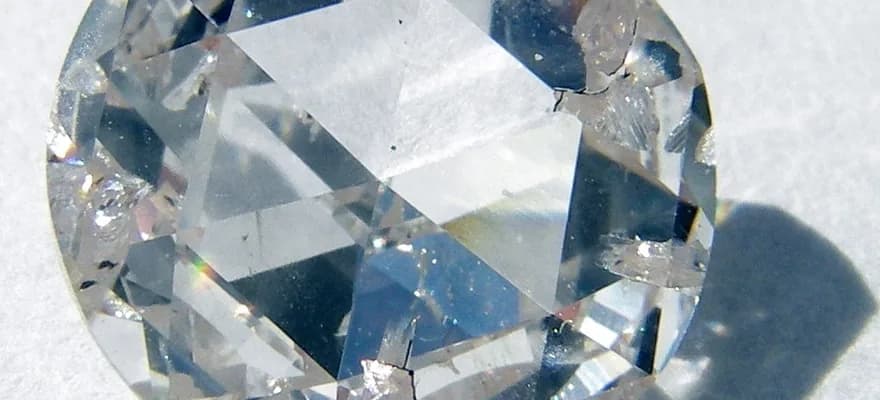
A large faceted diamond photographed against a plain ground.
01

Natural diamond grading

Full four-C grading with proportions, finish, fluorescence and treatment screening.

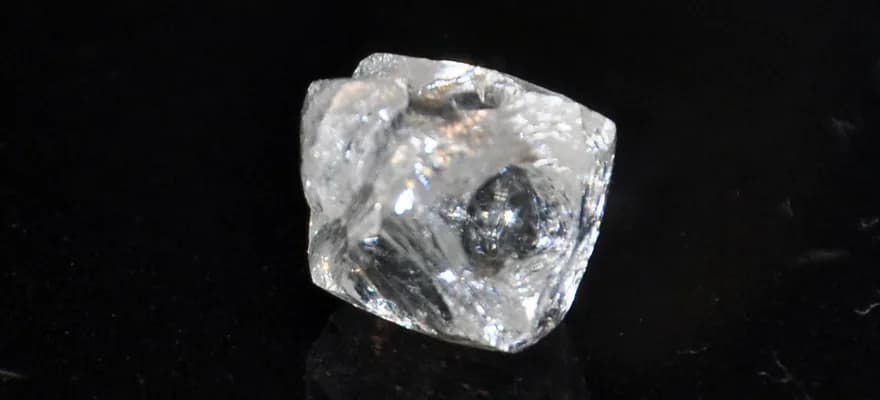
An uncut octahedral diamond crystal.
02

Laboratory-grown diamond grading

The same scales, with growth method and post-growth treatment declared on the report.
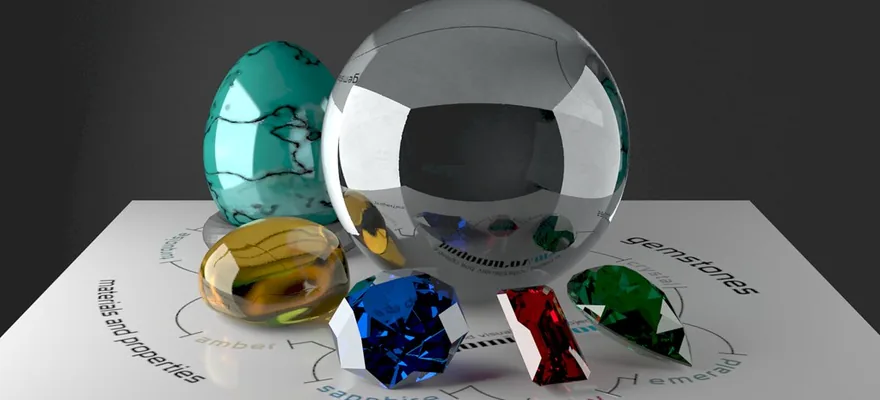
Faceted coloured gemstones grouped beside polished spheres.
03

Coloured stone identification

Species and variety, treatment detection and, where the evidence allows, geographic origin.
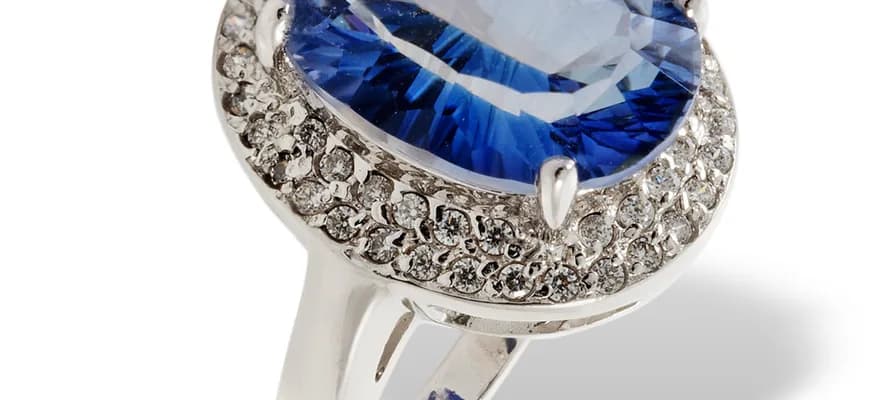
A white metal ring set with a large oval stone inside a border of small brilliants.
04

Finished jewellery

Metal, article, mounted stone estimates and hallmark verification, graded in the mount.
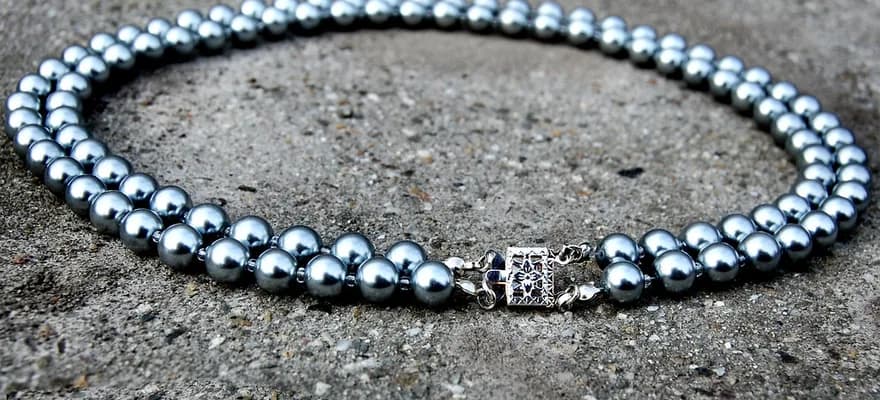
A strand of round pearls laid out on a stone surface.
05

Pearl identification

Natural, cultured or imitation, with nacre observation, processing and treatment notes.
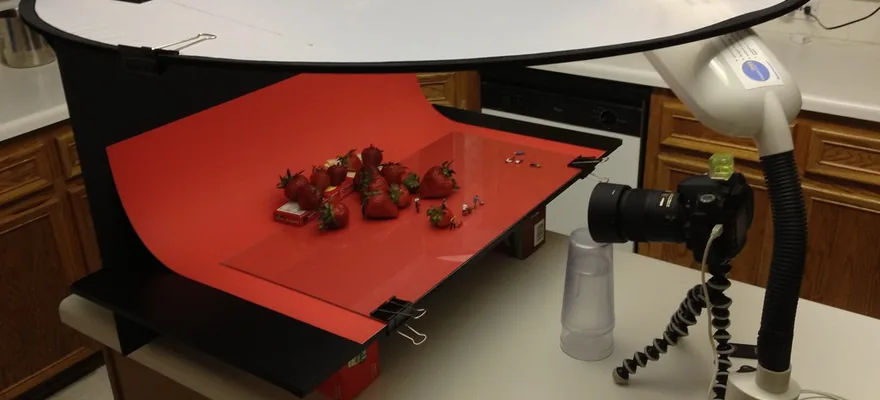
A tabletop copy stand with a diffuser and small objects arranged for photography.
06

Insurance appraisal support

A documented description your appraiser or insurer can rely on. The institute states no value.
Method

How a stone moves through the laboratory

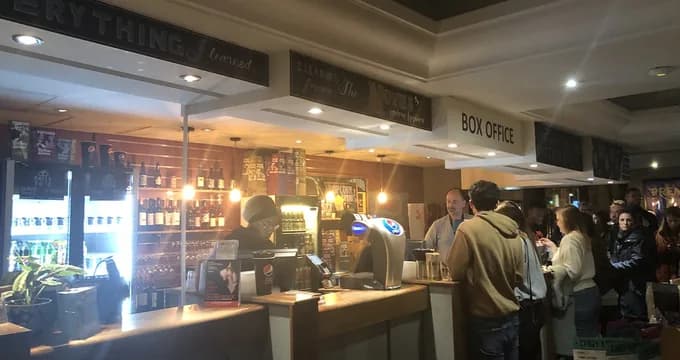
  1. A counter with display cases, staff serving customers across it.
    01

    Take-in

    Goods are weighed, photographed and sealed in front of you. You keep a signed receipt with the parcel number.
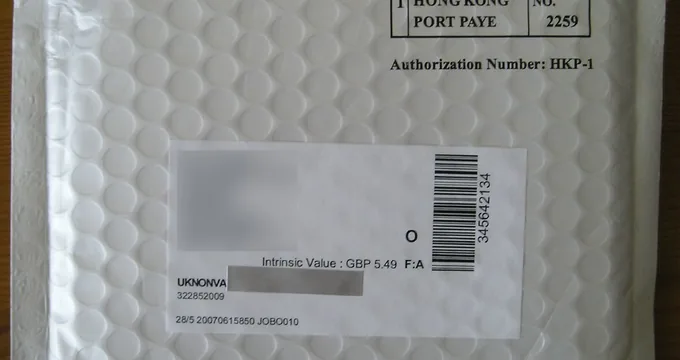
  2. A sealed air mail envelope bearing postage and a printed authorisation number.
    02

    Anonymisation

    The parcel enters the laboratory carrying a number only. Graders do not know whose stone they are examining.
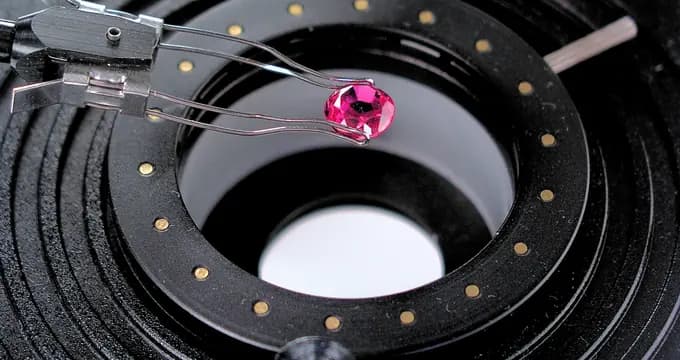
  3. A gemstone held in tweezers on the stage of a gemmological microscope.
    03

    Examination

    Screening, instrument measurement, then independent grading by separate graders under standardised light.
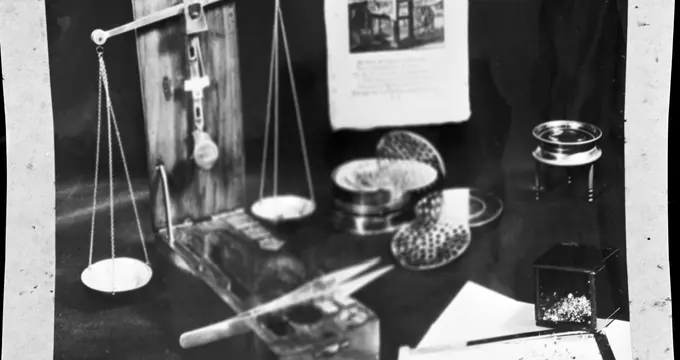
  4. A balance, a loupe and written records laid out together on a bench.
    04

    Issue

    Grades are reconciled, the record is written to the database, the report is printed and the stone is inscribed if requested.
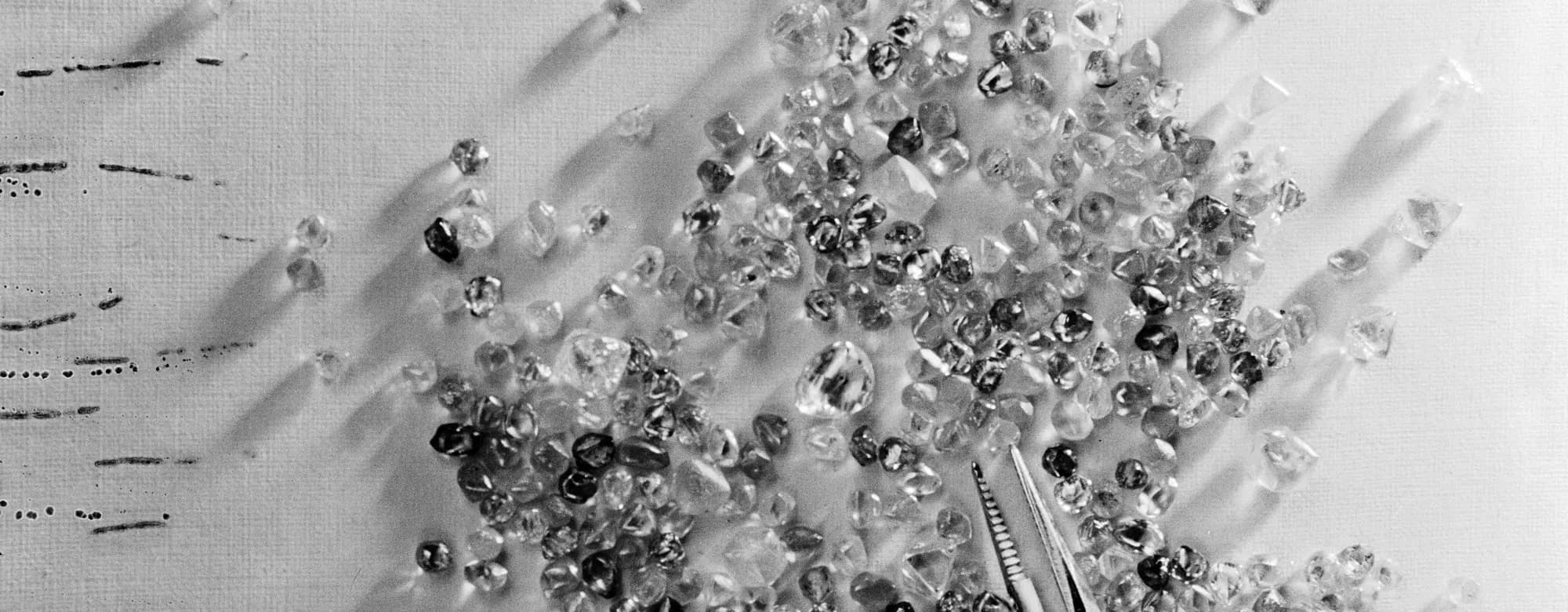
Origin disclosure

Grown and natural, graded alike and never confused.

A laboratory-grown diamond is a diamond, and it earns the same scales and the same rigour. It is also a different origin, so the record says so plainly: on the report, on the girdle and in the database.

Same scales
Colour, clarity and cut are graded against the same masters and the same tolerances, whatever the origin.
Distinct report
Laboratory-grown diamonds are issued a visually distinct report that names the origin in full on the front.
Growth method
HPHT or CVD is stated, together with any post-growth colour or clarity treatment.
On the stone
The girdle inscription reads laboratory-grown, and the database record is flagged for every future lookup.

Read your report properly

The four Cs are four separate scales, not a single score. Our guide explains each grade, what an origin or treatment line tells you, and how a colored stone report differs from a diamond report.

Report types explained

Submit a stone

Five laboratories take in goods over the counter and by insured courier: Surat, Mumbai, New York, Hong Kong and Toronto. Parcels are weighed, photographed and sealed in your presence.

Laboratories